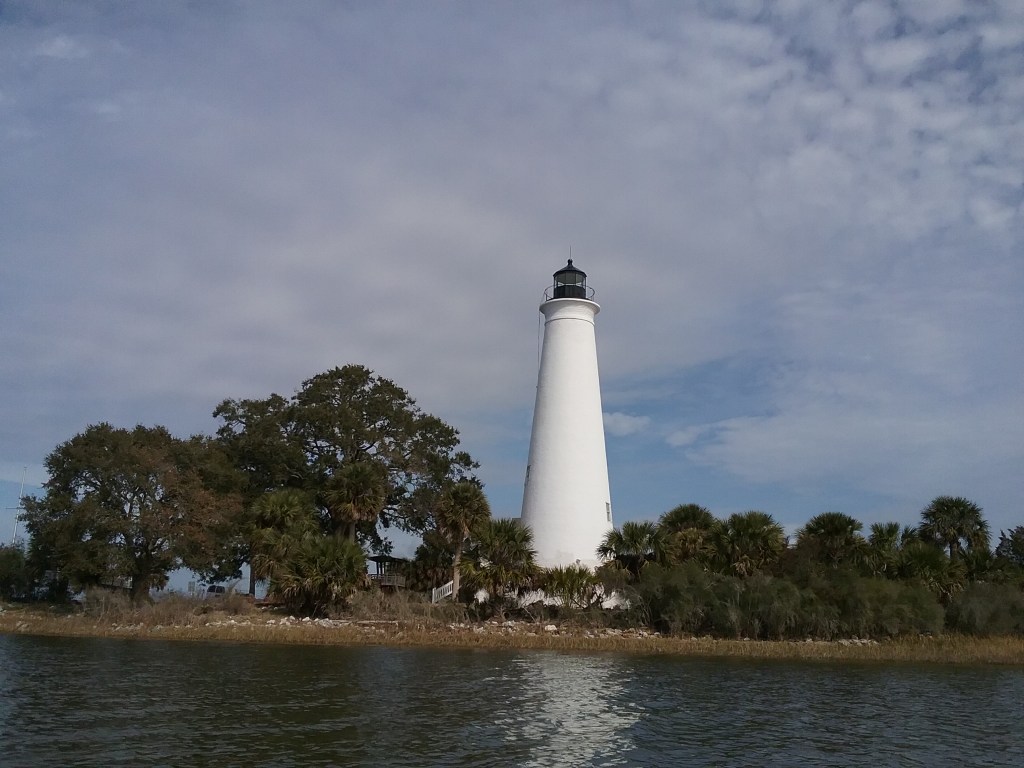
A dark and stormy night out on the seas with waves crashing the sides of the ship and cargo and crew slipping from port to starboard through the tumultuous waters threatened many a sailor and passenger with burial at sea as the ship neared shore and unknown dangers of a rocky coast and shallow sandbars loomed. And out of the dark, a light appears before the ship goes under and loses everything and one aboard.
In the days before navigational systems, seafaring folks depended mightily on the tall lighthouses shining and directing them to harbors, bays and inlets for safe passage inland. Long before electricity, those lanterns had to be kept lit all night long using whale oil or kerosene. Usually one man carried the load of fuel up the narrow winding stairs of the lighthouse. The “keeper” lived a hard yet essential life to the smooth arrival of cargo and passengers alike.
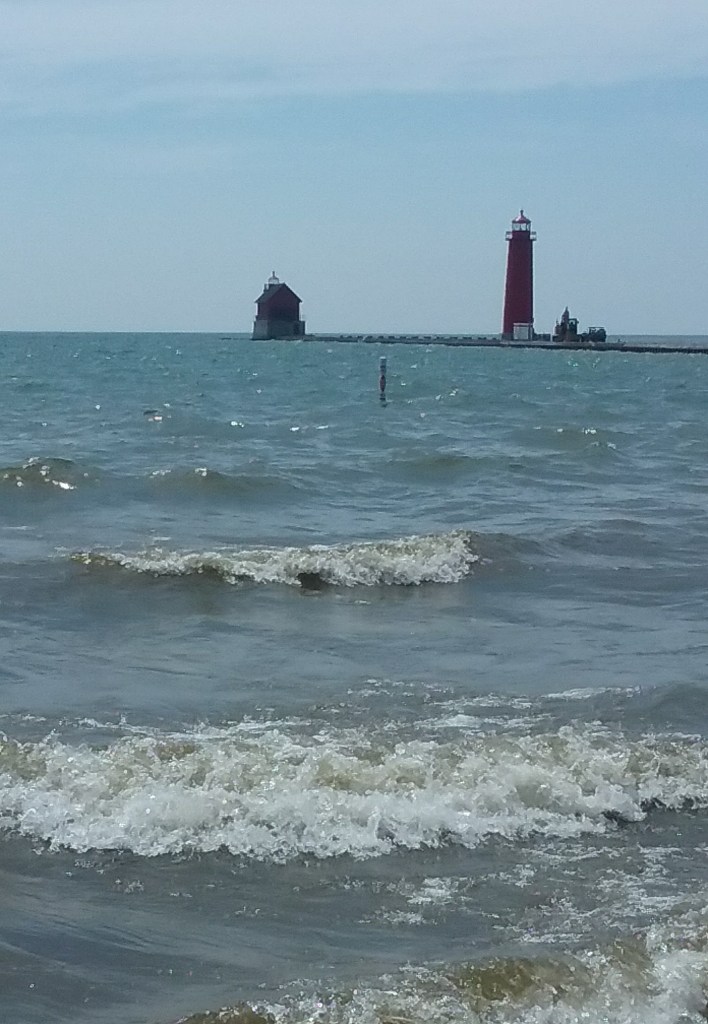
I have had a fascination with lighthouses from a young age. I grew up in Michigan—a peninsula of sorts surrounded on three sides by water. The Great Lakes—particularly Superior—were treacherous and frigid. At the age of ten, I visited the ocean for the first time when my family and I traveled to Montauk Point where the lighthouse sits on the edge of the Atlantic, and which miraculously has stood since 1796 after George Washington commissioned it in 1792.
Florida’s lighthouses haven’t had as long a history, nor have they been built on land as stable as Long Island. Yet, their stories provide a rich history of strength and resilience after thunderstorms, hurricanes, and attacks during a war where we turned on ourselves.
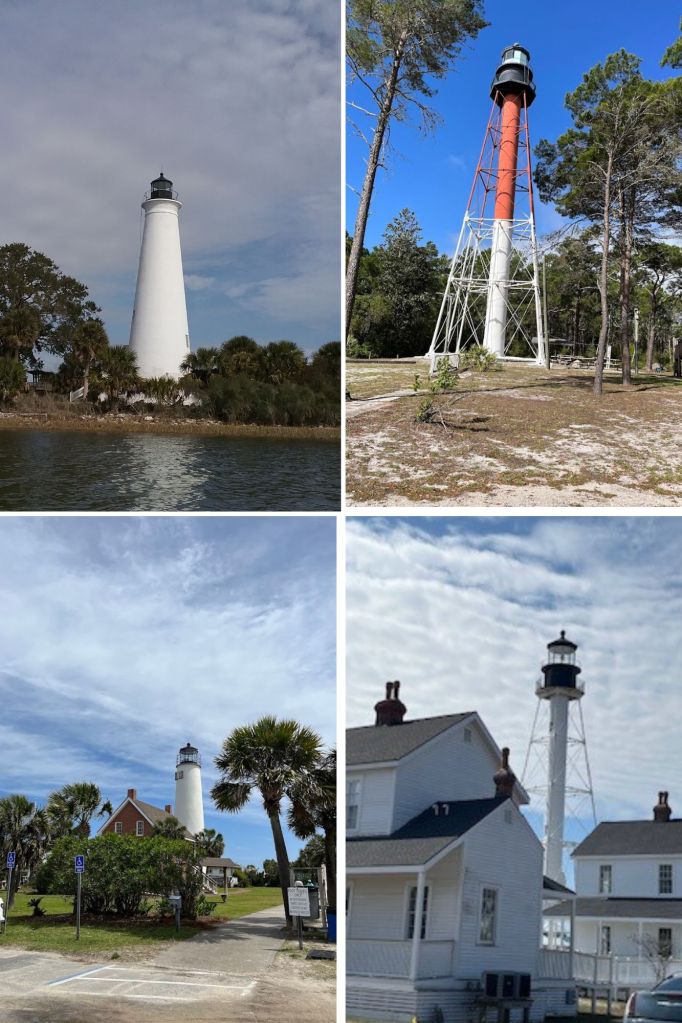
Here’s a peak at four of Florida’s lighthouses on what is known as the Forgotten Coast—near the Big Bend when the Florida peninsula narrows into the Panhandle.
 P.C. ZICK