
Any discussion about the Florida town of Palatka begins and ends with the St. Johns River, which helped create the community centuries ago. Back in its golden days, many called it the “Gem City of the St. Johns.”
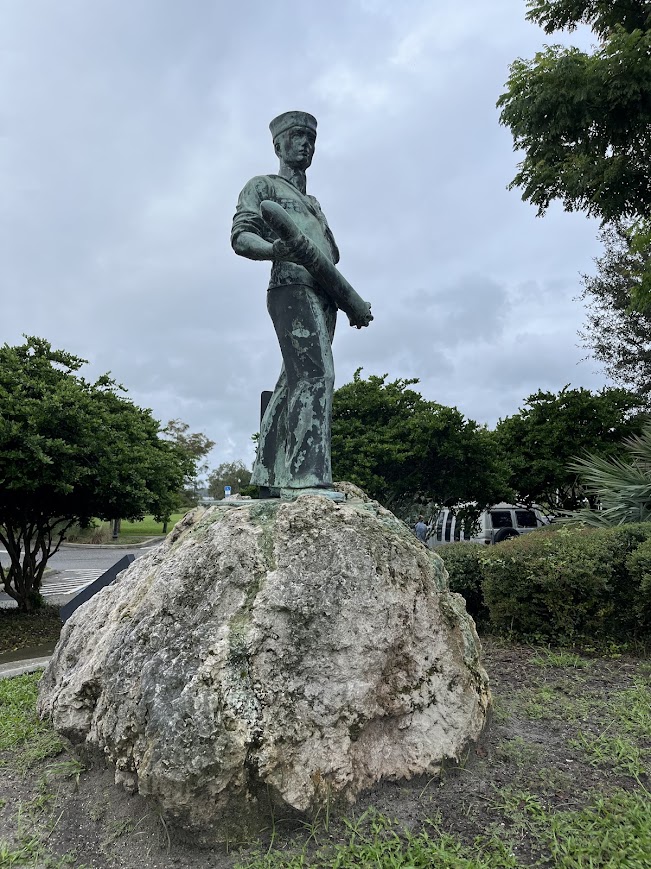
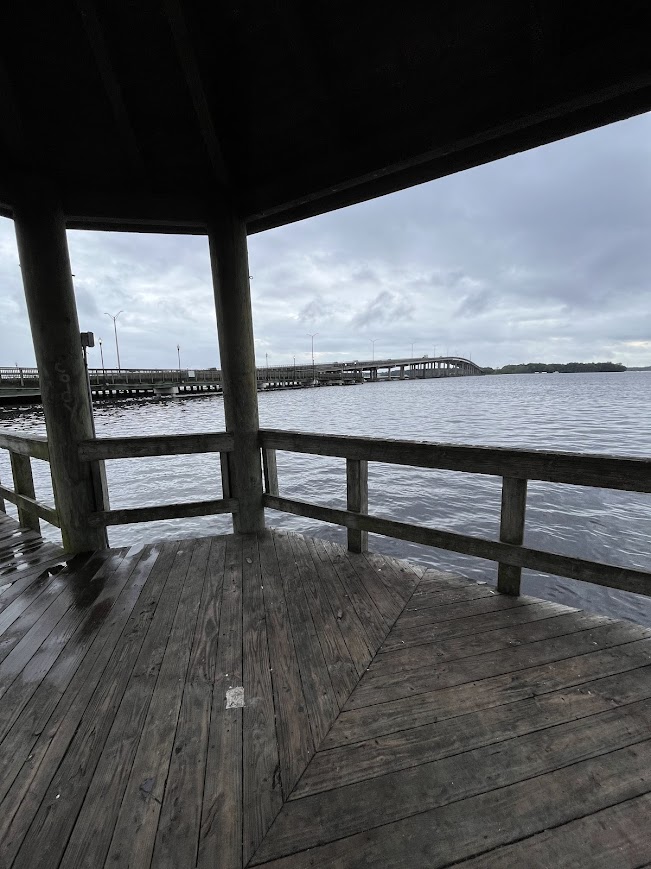
The St. Johns River flows for 310 miles northward, making it Florida’s longest river. It begins in the swamps west of I-95 and Vero Beach on the eastern side of the state. The slow-flowing river takes a sharp turn east as it nears Palatka. The Palatka Memorial Bridge rises high above the river and leads to the highways connecting interior Florida to the coast. A “Spirit of the American Doughboy” statute stands guard at the base of the western side of the bridge.
Today, the river town is reinventing itself as a tourist destination not far from St. Augustine. And in the rejuvenation, both its history and the river play important roles. The name Palatka comes from a Native American word “Pilaklihaha” or “Pilotaikita,” which means cow ford or crossing. Before the invasion of the Spanish, the Timucuans split their time between the lush lands surrounding the St. Johns and the lush ocean for its variety of sea food. They enjoyed the benefits of both worlds.
After the Spanish arrived, they developed Palatka, Gainesville, and Tallahassee as major ranching areas, but the cattle from those places had to cross the St. Johns River because on the eastern side, St. Augustine housed the slaughterhouses. Cows, as its original name implies, could ford the river at Palatka.
But it was during the 1800s and during much of the Gilded Age that Palatka thrived, rivaling only Jacksonville on the east coast. When Florida became a U.S. territory in 1821, developers began eyeing central Florida. From Mayport north of Jacksonville, the large ocean vessels would venture southward on the St. Johns. The furthest south they could travel on the river was Palatka. For the next sixty plus years, prosperity reigned as military installments and steamboat lines boosted the status of the city. The wharves installed on the western side of the river could hold up to forty large ships. And during this time, it became the hub of Florida’s citrus industry. The Bronson-Mullholland House, built in 1860, showcases one of the city’s most prominent homes during this time. It is open for visitors every Saturday from 1 p.m. to 4 p.m. as well as on the first Sunday of the month from 1 p.m. to 4 p.m.
Two things occurred before the end of the century that changed the trajectory of the place once known as the “Gem City of the St. Johns,” thus ending its golden age.
First, railroads began replacing the steamships as they progressed into the interior of Florida. It was easier and faster to send goods on the trains. Then two years of devastating freezes wiped out the citrus farmers in the area around Palatka. Either Palatka could become a ghost town, or it could reinvent itself.
Industry became the savior when the Wilson Cypress Company established itself in Palatka in 1889. It eventually became the largest cypress mill in the world. Today, the main employer in Putnam County is Georgia-Pacific, a paper mill, which opened in 1947. For years, whenever I thought of Palatka it came with the smell of sulfur, one of the byproducts of paper mills.
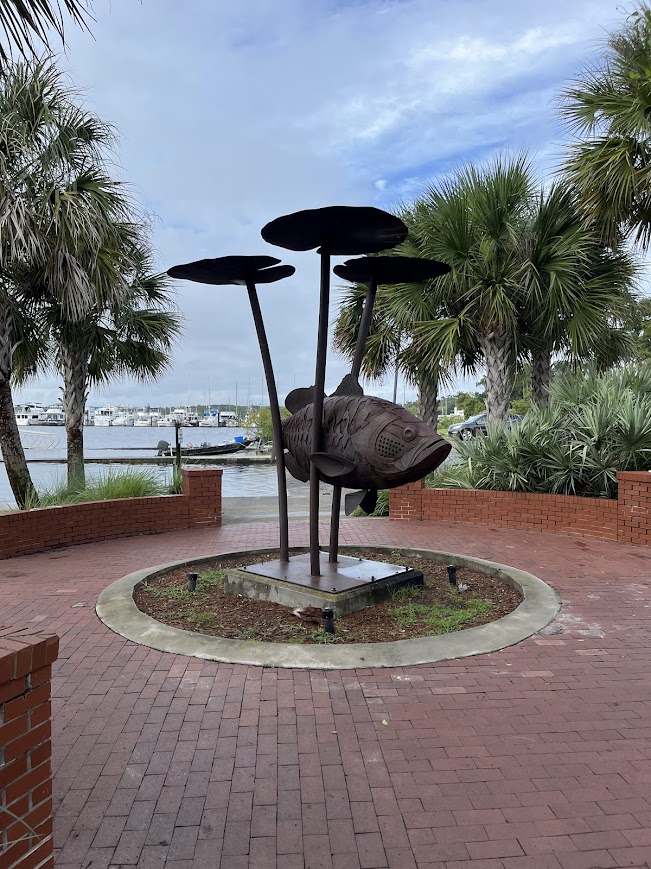
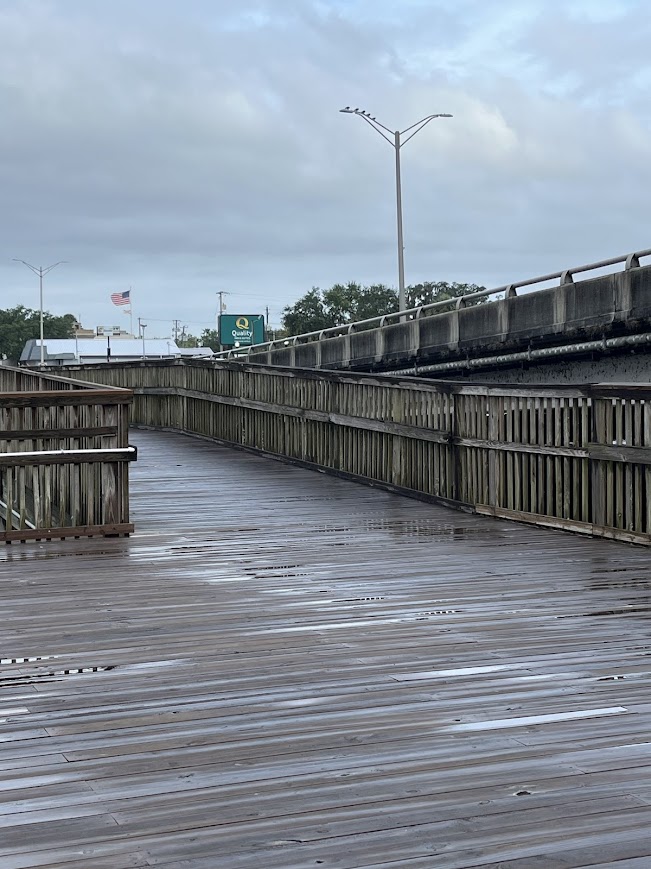
Fortunately, I have gained a better appreciation of the town’s location and have enjoyed watching its revitalization. We stayed at a hotel that faces the river and adjoins to the riverwalk, which crosses under the bridge and over the river and leads to Riverfront Park. Along the way, we passed the Doughboy Statute and memorial to the infantry soldiers of World War I, and a sculpture created from a sketch by William Bartram who traversed the area in 1774 and stayed with the Timucuans for several months.
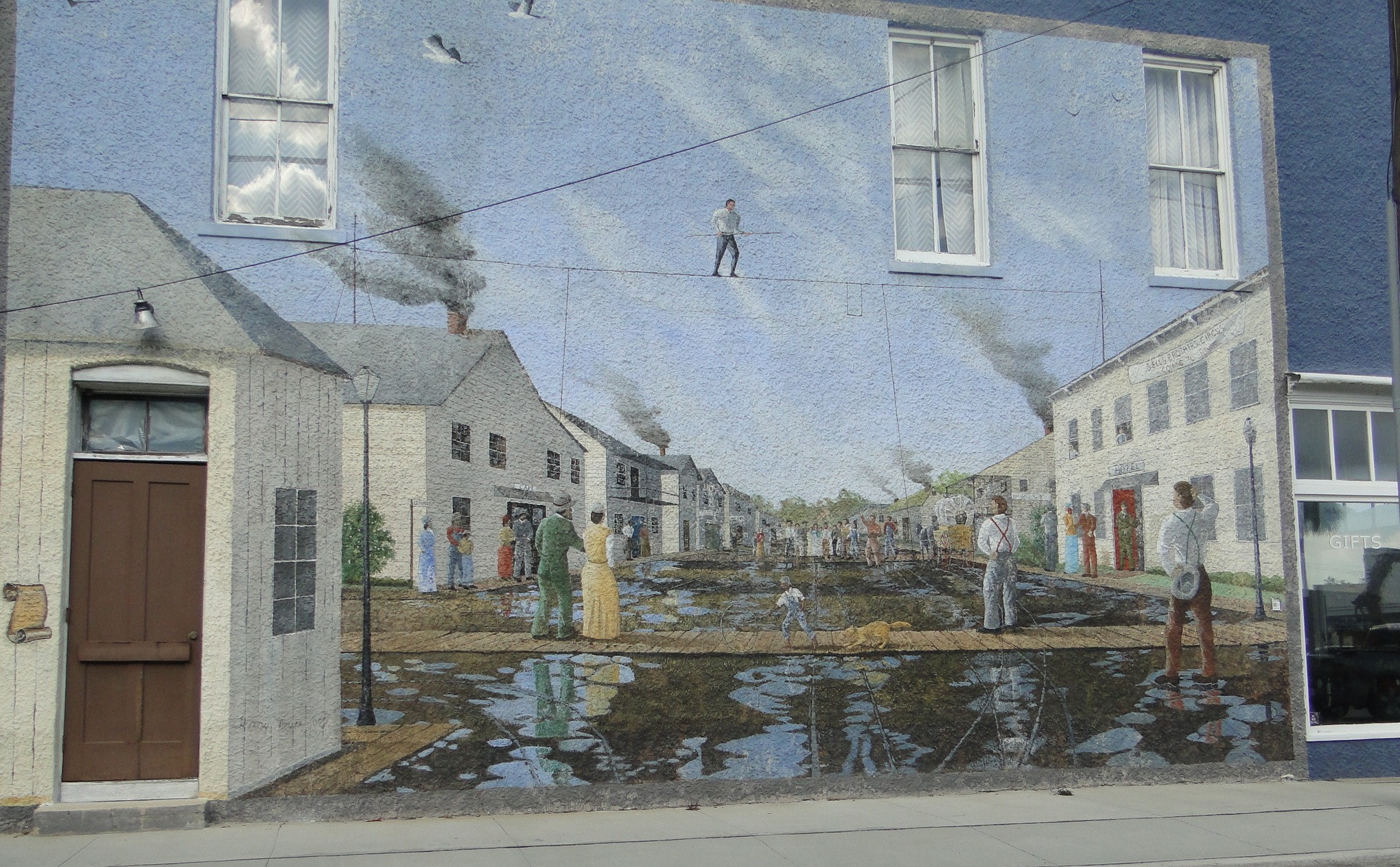


Walking away from the river toward the city center, the old buildings are adorned with murals depicting the history of the town. This walk leads directly to one of my favorite places, Azelea City Brewing Company, located in the old Coca-Cola bottling plant on 7th Street. The variety and quantity and quality of beer is astounding. They also host lots of community events, which makes it a popular local gathering place.

Also, a visit to Ravine Gardens State Park, located within the city limits provides another glimpse of history when the CCC went to work during the depression creating walkways, fountains and gardens at this lovely spot that comes alive in the spring with an abundance of azaleas. And every February, the city hosts the Florida Azalea Festival with lots of activities and music at Riverfront Park.
I’ve traveled to many places in Florida and feel I’m quite knowledgeable about wildlife and the environment, but on my recent visit to Palatka, I learned something new. When I saw folks out on the piers and wharves casting nets into the water all through one warm September night , I was curious as to what they were doing. Turns out, shrimp come into the St. Johns at Mayport and head south starting in late August and sometimes continue into November. What I witnessed was a form of saltwater shrimping out of a freshwater river. Even better, other fish such as redfish and flounder follow them. I had never heard of this phenomenon until this visit.
Exploring the small towns of our country shows us history, culture, and ecology without much expenditure or effort. And in most of these towns, parking is still free!

 P.C. ZICK
One response to “SMALL TOWNS ROCK – PALATKA, FLORIDA”
I enjoyed learning Palate’s history. The salt water shrimp and fish is fascinating. Thanks for writing this.
LikeLike