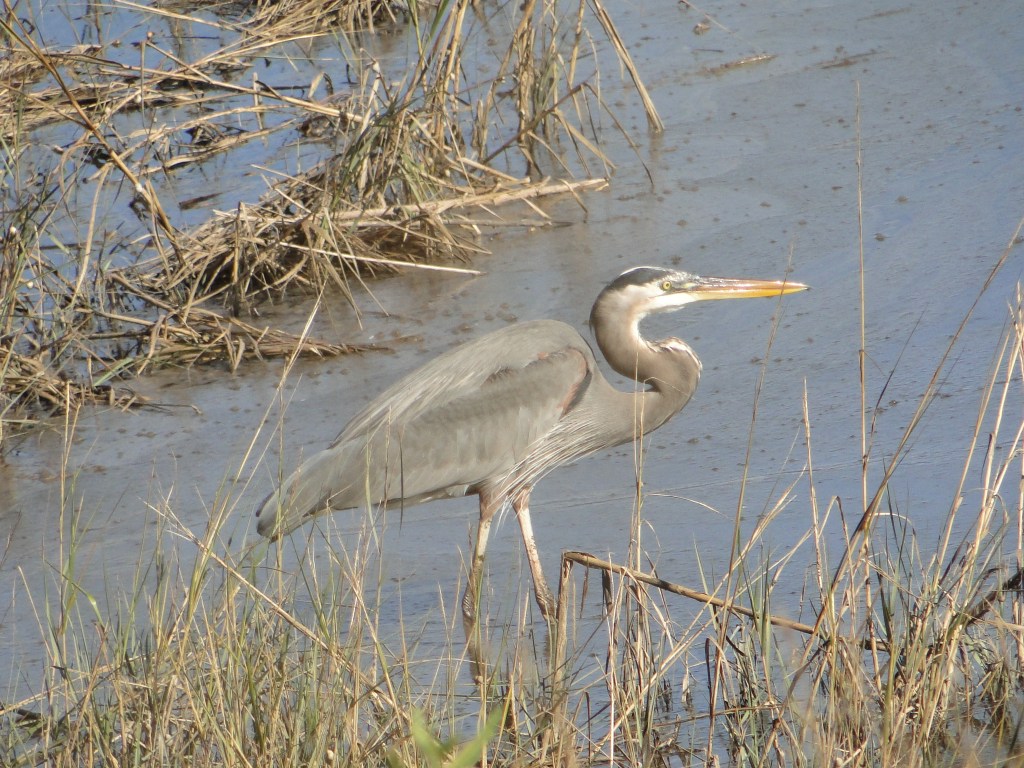

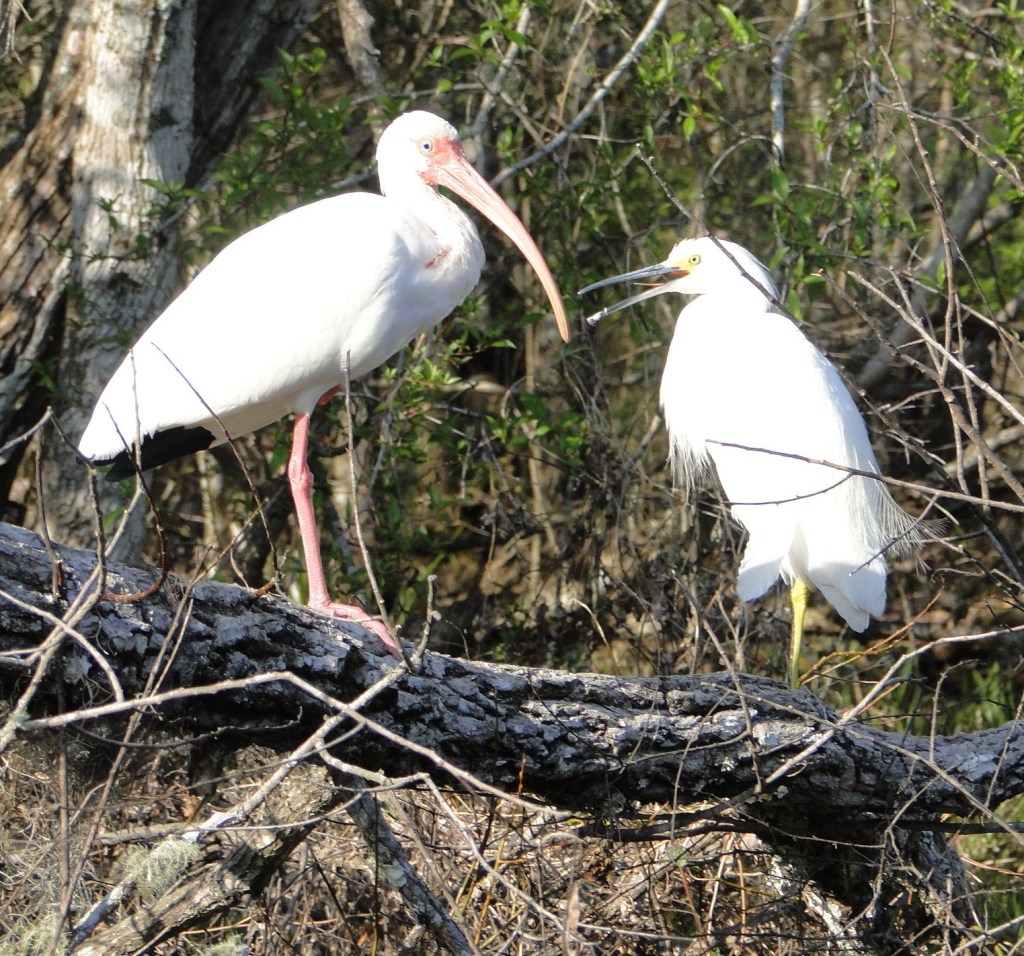

“Why aren’t there any mosquitoes when I visit Florida?” I was once asked.
“Where do you go in Florida?” I asked.
“To Disney World, Sea World – all those theme parks around Orlando.”
I wondered how to reply without bursting this man’s image of “natural” Florida that exists within the gates of “unnatural” worlds made from the crumbs of a chopped up natural world and sculpted into the vision of a perfect living community.
The real Florida, buried under tons of asphalt in the majority of the state, does exist in random spots and clumps of preserved zones or land unfriendly to developers who have yet to figure out how to grab remaining wetlands and scrub forests to turn them into yet further replicas of what some would prefer to call “natural.”
People come to the Sunshine State for a week or more to soak up the sun and ride trains through wild lands with propped and stuffed bears, panthers, and alligators. How tranquil it all appears from the seat of a train. Twenty years later, after the kids are grown, they race south to live and become shocked when the first mosquito stings or a coyote eats their dog.
That’s the real Florida. New subdivisions are built on the edge of raw and natural wetlands and woods. People want to view the natural world, but often don’t want to be bothered by all the creatures that inhabit the last vestiges of wild land. Often the new developments disrupted the habitat of the wildlife further confusing the natural order of things.

For several years, I worked in public relations for the Florida Fish and Wildlife Conservation Commission. One of my first assignments found me in Ft. Myers, Florida, in a subdivision that had recently been built adjacent to a wildlife preserve. Guess what? Coyotes, recently displaced, thought the cats and small dogs in the neighborhood were dinner.
One woman yelled at me to kill all the coyotes. She couldn’t understand that buying a home on the edge of a wild, natural area meant there would be wildlife whose natural habitat had just been cut in half.
The “wily” coyote earned its name based on its behavior. In wide-open expanses of land, the coyote roamed and only became a menace when attacking domestic livestock. Ranchers handled the situation. When the coyote found its environment disrupted, such as in Florida, the animal adapted. Space became a problem. Subdivisions encroached on rural areas, and the wily coyote adapted to become the urban coyote.
The same thing happens wherever habitat is disrupted. The wildlife doesn’t just walk away into the sunset to find a benevolent zookeeper where the public can see wildlife behind cage bars.
If the wildlife adapts, then so must we by respecting and enjoying wildlife from a distance. Coyotes adapted when humans fed them, which led the wild animal to associate humans with a dependable source of food, according to a report by the Florida Fish and Wildlife Conservation Commission. The coyote became aggressive and bold and led to attacks on humans, pets – leashed and unleashed – and livestock.
If you want to minimize your contact with wildlife – from bugs to alligators – buy a condominium or rent an apartment.
If you love nature but hate buzzing mosquitoes, watch the Discovery channel.

But if you understand the nuances of living with, yet separately, from wildlife, buy a home on the edge of wilderness and help educate others on how to live peacefully with wildlife. And don’t forget to buy a set of good binoculars and a camera with a zoom lens.

The three books in this series are stand alone reads but with similar themes–Florida and its wildlife, in human and animal form.
Each book is available in Kindle (free with Kindle Unlimited), paperback, and audio.
 P.C. ZICK