

Photo by P.C. Zick
Fifty-five years ago on April 22, 1970, the first Earth Day was celebrated. Maybe the word “celebration” doesn’t quite fit here because its inception came as the result of some horribly tragic events—an oil spill and the discovery by a woman scientist/writer of the harm done to wildlife and humans from pesticides.

All those years ago, organizers saw it as a positive way to respond to the largest oil spill to date in Santa Barbara in 1969. Ironically, on the fortieth anniversary of Earth Day in 2010, news of another oil spill began trickling into the media when an oil rig exploded in the Gulf of Mexico off the coast of Louisiana, killing eleven men working on the rig and doing untold damage to the surrounding area when the gushing oil couldn’t be contained for weeks. Deepwater Horizon isn’t mentioned much these days, but it had a profound impact on me, and I’ve never forgotten.
Many historians credit that first Earth Day in 1970 to the incredible work done by biologist and writer Rachel Carson. I believe the collision of both the Santa Barbara oil spill and the publication of Rachel Carson’s Silent Spring brought an awareness to many folks about the harm caused by our advancements in industry and science despite the positive impacts that have been realized. Advancement without care comes with a cost. And the cost results in the loss of human and wild lives as well as destruction to the environment.
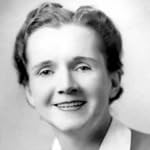
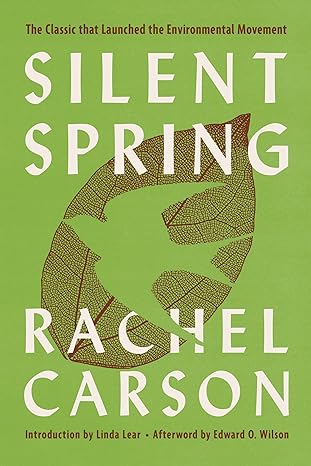
You might ask who is Rachel Carson? I had heard of her prior to moving to Pittsburgh in 2010, but I wasn’t completely aware of her impact on the environment. I wondered why one of the bridges over the Allegheny River in downtown Pittsburgh was named the Rachel Carson Bridge. I learned the author of Silent Spring had grown up in Springdale, Pennsylvania, on the banks of the Allegheny River not far from that bridge.

Born in 1907, she grew up just upriver from the city that was coughing its way to becoming the Steel Capital of the World. Carson played in the hills surrounding the river as it wound its way to meet the Monongahela and Ohio rivers in downtown Pittsburgh. When she found a fossil on the banks of the Allegheny, she became obsessed with the sea and the history of nature.
Ms. Carson was a writer from an early age. But in college at Pittsburgh Women’s College—now Chatham University—the study of biology beckoned. She went on to work for the U.S. Fish and Wildlife Service where her talents as a writer emerged in the writing of boring fact sheets about wildlife. She eventually left the USFWS to write books about the sea. Soon her research led her to learning about illnesses caused by pesticides. Thus began her four year journey in researching and writing of Silent Spring (1962), which exposed the horrors of wholesale spraying of lethal toxic substances on all living things to kill one pest. Her conclusions led to the banning of DDT use.
The shocking and controversial book set in motion a string of actions that eventually led to the creation of the Environmental Protection Agency and passage of the Clean Air and Endangered Species acts. Unfortunately, she didn’t live long enough to witness the explosive impact of her research and words.
While the book became a bestseller almost immediately, it created a firestorm of vicious attacks on Carson by the pesticide industry and the media. She remarked that her critics represented a small, yet very rich, segment of the population.
An editorial in Newsweek soon after its publication compared Carson to Sen. Joseph McCarthy because the book stirred up the “demons of paranoia.” But that book, no matter its reception, helped save the bald eagle and peregrine falcon and other birds from extinction.

Photo by P.C. Zick at St. Marks National Wildlife Refuge, Florida
Rachel Carson didn’t want to write Silent Spring, but she stated in an interview, “the subject chooses the writer, not the other way around.”
I’m a firm believer in the subject choosing the author. When that happens, it’s best to let go and enjoy the gift. And that’s exactly what happened to me in the months after the Deepwater Horizon oil spill. I began writing Trails in the Sand because the subject chose me, the words came easily, and the characters became an extension of my family. Click here to check out my blog post on the hows and whys of writing this book.

 P.C. ZICK